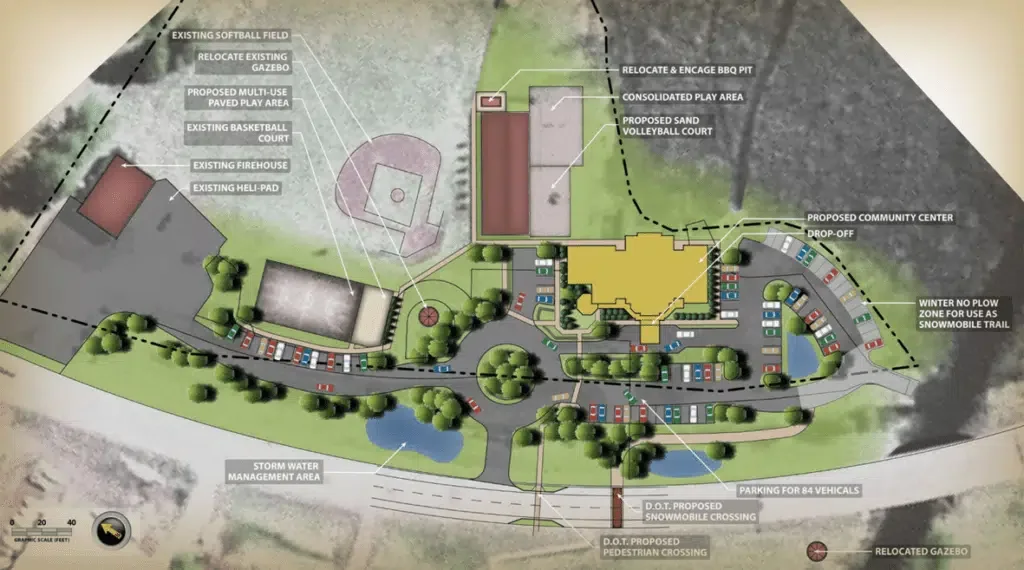
Understanding the Basics of Site Planning
When embarking on any construction project, a thorough understanding of the site planning process is essential. It involves assessing the physical characteristics of the land, including topography, soil conditions, and existing structures. This foundational step ensures that the project building construction layout plan aligns with the site’s natural features and complies with local regulations. A well-designed site plan serves as a roadmap, guiding the placement of buildings, utilities, and landscaping to maximize efficiency and safety.
Key Elements in Developing a Layout Plan
Developing an effective layout plan requires attention to several critical elements. These include the location of the building footprint, access points such as driveways and walkways, drainage systems, and easements. Proper consideration of Advanced Site Plan for Permits USA these factors helps prevent future conflicts and ensures the construction process progresses smoothly. Additionally, the plan must accommodate any zoning restrictions and environmental concerns to avoid legal issues.
The Role of Surveying in Construction Planning
Surveying is a vital component in the creation of a building construction layout plan. It provides precise measurements and mapping of the site, which helps engineers and architects design structures that fit perfectly within the given terrain. Accurate surveys also identify boundaries and any potential obstacles, such as underground utilities or protected areas. This detailed information minimizes risks and supports the development of a safe and efficient layout.
Importance of Compliance and Permits
Ensuring compliance with local building codes and obtaining the necessary permits is a crucial step in the construction process. An Advanced Site Plan for Permits USA plays a significant role in meeting these requirements by providing detailed documentation of the proposed project layout. This plan must be submitted to relevant authorities for approval before construction begins, helping to avoid legal delays and ensuring that the project adheres to safety and environmental standards.
Utilizing Technology in Site Planning
Modern technology has transformed the way site plans are developed. Tools such as computer-aided design (CAD) software and geographic information systems (GIS) enable more precise and efficient planning. These technologies allow planners to create detailed 3D models and simulations, which can predict challenges and optimize the use of space. Incorporating such innovations improves accuracy and facilitates better communication among stakeholders.
Collaboration Between Stakeholders
Successful site planning requires collaboration among architects, engineers, contractors, and clients. Each party brings unique expertise to the table, contributing to a comprehensive and practical building construction layout plan. Open communication and coordination help address potential issues early in the design phase, reducing costly changes during construction. This teamwork ensures that the final plan meets both functional needs and aesthetic goals.
Benefits of a Detailed Construction Layout Plan
A detailed construction layout plan provides numerous benefits beyond regulatory compliance. It enhances project efficiency by clearly defining construction boundaries and workflow. This clarity reduces errors, minimizes material waste, and shortens project timelines. Moreover, a well-prepared plan improves safety on the construction site by outlining hazard zones and access routes, protecting workers and equipment throughout the building process.
Conclusion
Developing a comprehensive building construction layout plan is a critical step in any construction project, ensuring smooth execution and adherence to regulations. Leveraging services like the Advanced Site Plan for Permits USA can simplify the permit acquisition process and enhance project accuracy. For those seeking professional assistance with site planning and layout services, prositeplans.com offers expert solutions tailored to meet diverse project needs.
